With a CE certificate and 8 patents, ENERPAT shredders are of high quality, durability, reliability, and efficiency. More importantly, all ENERPAT shredders are user-friendly to control and maintain.
ENERPAT provides a full range of equipment to meet different needs of shredding and recycling, from which customers can select suitable machines for their purpose and convert their waste materials into profitable products.
ENERPAT manufactures recycling machines that create more possibilities for different waste materials, such as wood, plastic, textile, metal, electronic waste, scrap cardboard, scrap furniture, tire, medical waste, municipal solid waste, industrial solid waste, construction & demolition waste etc.
If you are competent and interested in joining us as a sales agent, we are ready to answer any questions you may have at any time. Just contact us at your convenience.
ENERPAT has been specializing in waste shredding and recycling for over 80 years to maximize the value for customers of various waste materials by turning them into wealth in the most favorable way.
Metal Scraps Guide Types Data and How to Process Them
Oct 13,2026
Page Views: 1125
Author: ENERPAT
1. Introduction
For recyclers and scrapyard operators, accurately identifying and sorting scrap metal is essential for maximizing value—yet many struggle with distinguishing between key types. Below, we break down the main metal categories and how to select the right recycling equipment to streamline your process.
2. A Simple Guide to the Five Main Metal Categories
Navigating the world of metallurgy is easier when you understand how metals are classified. Here are the five primary categories used in the industry today:
2.1 Non-Ferrous Metals (The Corrosion-Resistant Choice)
Non-ferrous metals are defined by what they lack: iron. Because they contain little to no iron, they do not rust and are generally non-magnetic. These metals are prized for being lightweight and having excellent conductivity for heat and electricity.
Key Examples: Aluminum, copper, titanium, and alloys like brass.
Common Uses: Electrical wiring, home plumbing, and aerospace components.
Why They Matter: They are incredibly durable and essential for recycling, as scrap non-ferrous metal is a vital "seed" for producing new materials.
2.2 Ferrous Metals (The Strength Leaders)
Ferrous metals are primarily composed of iron. They are the "heavy lifters" of the metal world, known for their immense strength and hardness. While most are magnetic, they are susceptible to rust if not treated with a protective coating.
Key Examples: Carbon steel, cast iron, and wrought iron.
Common Uses: Skyscraper construction, car frames, and industrial machinery.
Why They Matter: Their superior mechanical properties make them the most widely used materials in global infrastructure.
2.3 Precious Metals (The High-Value Group)
Precious metals are rare, naturally occurring elements with high economic value. Beyond their beauty, they are functionally superior because they do not react to oxygen, meaning they never lose their luster or corrode.
Key Examples: Gold, silver, and the platinum group (platinum, palladium, rhodium).
Common Uses: Jewelry, high-end electronics, and financial investments.
Why They Matter: They act as a "safe haven" for value, often becoming more expensive over time due to their rarity.
2.4 Base and Specialty Metals (Daily Use vs. High-Tech)
This category distinguishes between common materials and engineered solutions:
Base Metals: These are abundant and affordable metals like zinc, nickel, and tin. They are the workhorses used for everyday objects and mass production.
Specialty Metals: These are "super-alloys" engineered for extreme environments. Using metals like zirconium or cobalt, they are designed to survive high heat or chemical stress in jet engines and medical implants.
2.5 Noble Metals (The Purest Elements)
Noble metals are unique because they are often found in nature in their pure, metallic form. They are famous for their "noble" behavior—they refuse to corrode or tarnish, even in harsh conditions.
Key Examples: Gold, platinum, and iridium.
Common Uses: Critical connectors in electronics, solar panels, and catalytic converters.
Why They Matter: Because of their unique chemical stability, industrial manufacturers often find them impossible to replace with any other material.
3. Selecting the Right Recycling Equipment for Scrap Metal
Investing in the right machinery is the best way to turn bulk scrap into a profitable product. Here is how to choose the equipment that fits your business needs.
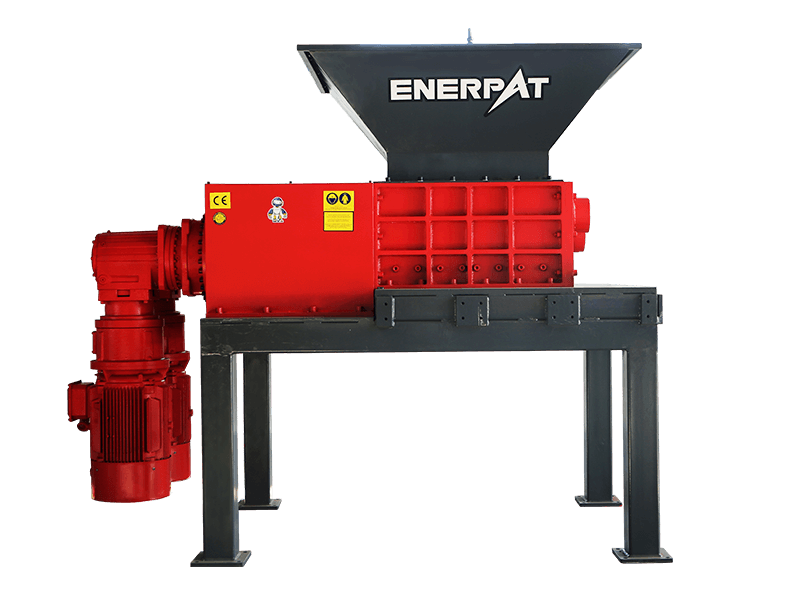
The right shredder depends on your material stream (ferrous vs. non-ferrous) and your required hourly output. Different designs serve different purposes: a dual-shaft shredder is versatile for mixed scrap, while a hammer mill is the standard for crushing bulky items like end-of-life vehicles. Beyond the initial purchase, you should weigh factors like ease of maintenance, energy efficiency, and overall machine durability. Choosing a reliable supplier with strong after-sales support is key to keeping your operation running smoothly and profitably.
This equipment uses advanced AI technology to identify and separate materials based on their density. It is an excellent choice for businesses that need to accurately separate light non-ferrous metals from heavy ones. Because it is highly versatile, it can also process ferrous metals, minerals, ores, and even coal. When choosing an X-ray sorter, look for a machine that offers high precision and a wide material range, as this allows you to produce higher-purity products that command better market prices.
To select the ideal baler, you must first evaluate the type of material you handle—such as aluminum cans or structural steel—and the daily volume you process. Match these needs to the machine’s specific features, such as a continuous hopper feed for high volume or lid-down compression for manual loading. You should also consider the required bale density, the level of automation, and your available floor space. Finally, check the power consumption and the level of technical support offered by the supplier to ensure you get a long-term return on your investment.
FAQs
1. What's the difference between Ferrous and Nonferrous scrap?
Basically, ferrous scrap contains iron — it’s magnetic, heavy, and rusts easily. Non-ferrous scrap has no iron, so it’s not magnetic, lighter, won’t rust as easily, and is generally more valuable. The big thing is whether it contains iron or not — that’s the quick way to tell them apart.
2. How do I sort mixed materials (e.g., electronics)?
Sorting mixed materials, like electronics, is a multi-step process. It uses mechanical and optical sorting tech—plus AI-powered robots—to separate metals from plastics and other materials. There’s usually some human quality checks on the side, too. The main goal is to split everything up by what it’s made of—different metals, plastics, and so on—so you end up with clean, usable material streams.
3. What is the best equipment for recycling ferrous scrap metals?
Picking the right ferrous scrap recycling equipment really depends on your scale. Key machines usually include a shredder, strong magnets, a baler or compactor, a hydraulic shear, and a car crusher. You'll also need handling gear like skid steers and trucks or trailers — and don’t forget safety equipment and a good scale for weighing everything.
4. How does a baler help in scrap metal recycling?
A baler uses hydraulic power to crush loose, heavy scrap metal into dense, compact blocks. This shrinks the volume, which means lower storage and shipping costs. It also makes the material more valuable, safer to handle, and easier to melt down for recycling — a win-win for scrap recovery.
5. What are the advantages of using a shredder in metal scrap recycling?
A metal shredder really changes the game in scrap recycling. It boosts efficiency, makes the material purer and more valuable, and shrinks the volume to save on storage and transport costs. It also simplifies metal separation and reuse, making everything run smoother and cleaner. On top of that, it’s better for the environment—cutting down pollution and our reliance on raw materials. Thanks to the shredder, even large mixed scrap gets broken down into small, uniform pieces, which are easier to sort, melt, and reuse.
6. What equipment is best for recycling non-ferrous metals?
Good equipment for recycling non-ferrous metals includes shaft shredders or hammer mill shredders (to break scrap down), eddy current separators (to pull out non-magnetic metals), optical or sensor sorters (for precise sorting), air classifiers (to remove contaminants), and balers or compactors (to densify the scrap). These can be combined into a complete system — how you set it up really depends on the metal you’re dealing with (like aluminum, copper, or brass) and the type and volume of mixed scrap you have.
To turn your scrap metal knowledge into real profit, you need the right processing equipment. At ENERPAT, we build durable and efficient recycling machinery—from shredders and sorters to balers—to help you maximize the value of every metal stream.Get your free equipment consultation today and upgrade your recycling operation.



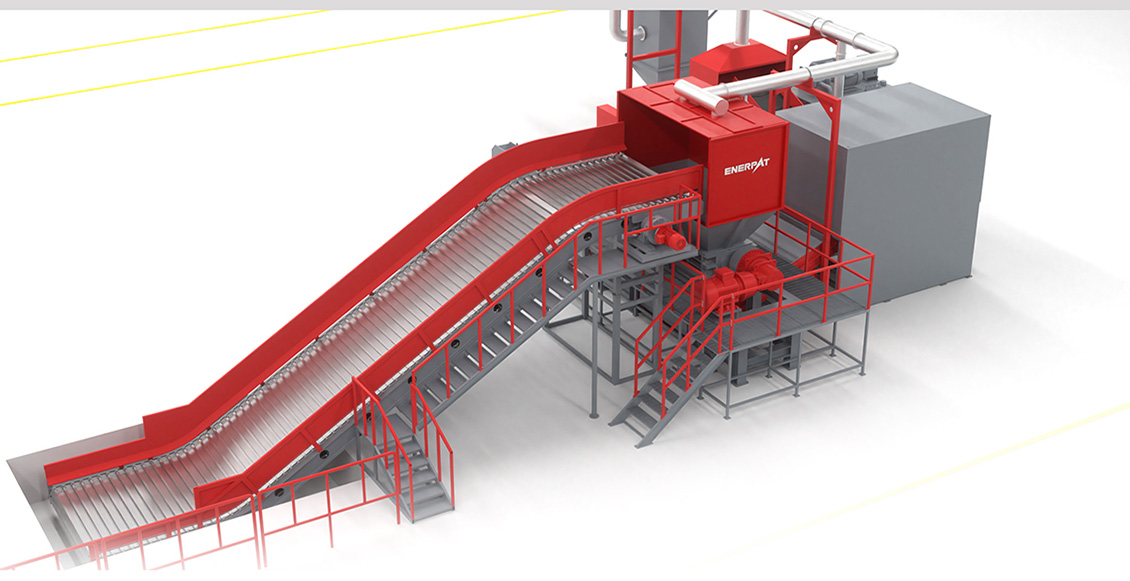 Oil Filters Recycling Line
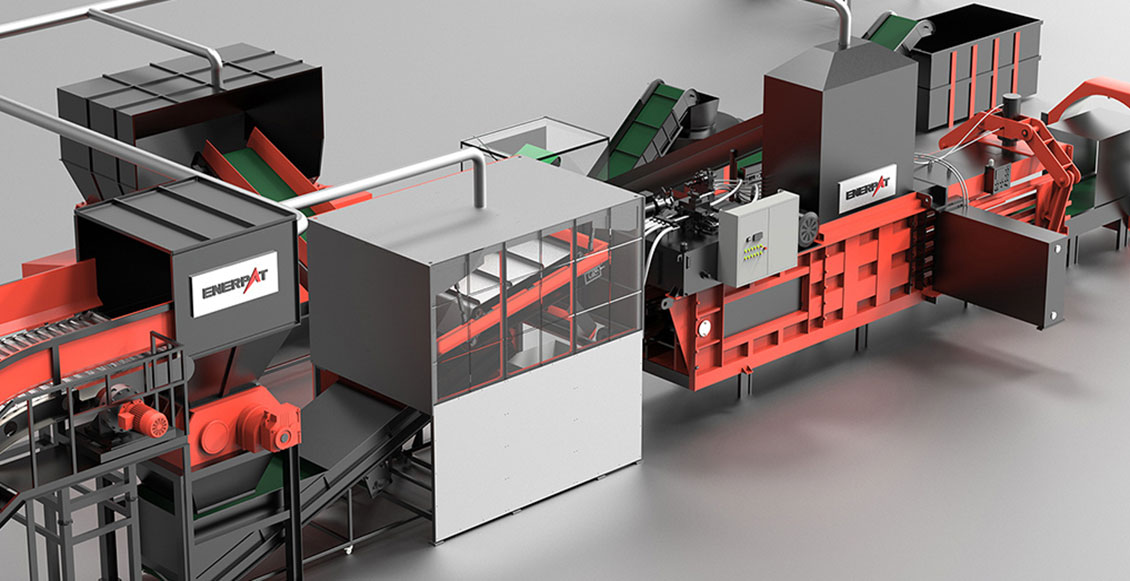 Pocket Coils Shredding and Sorting Solution
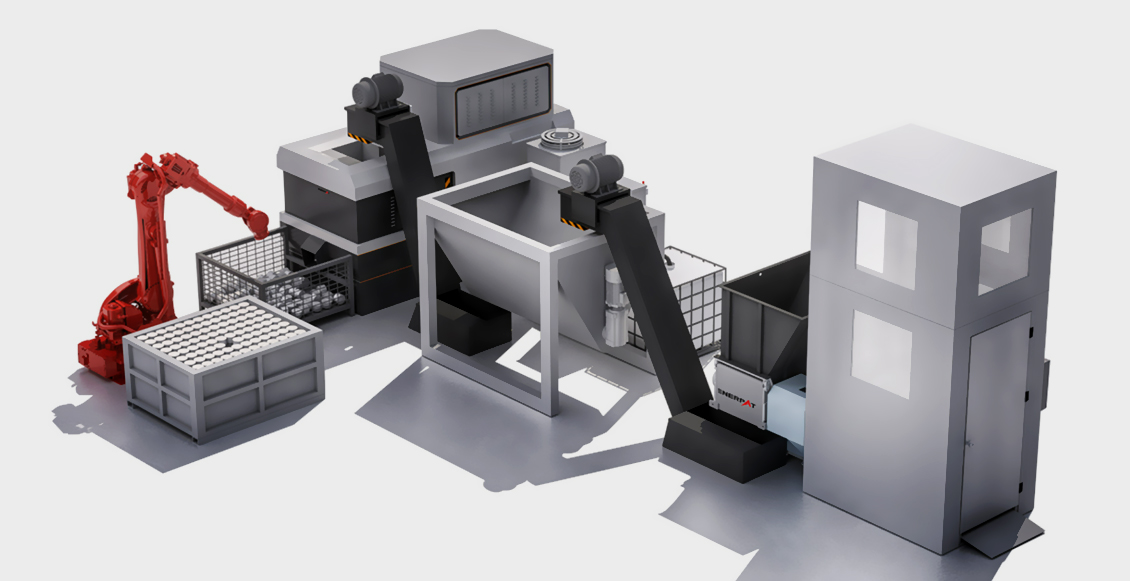 Disposal Solutions for Scrap Metal Chips
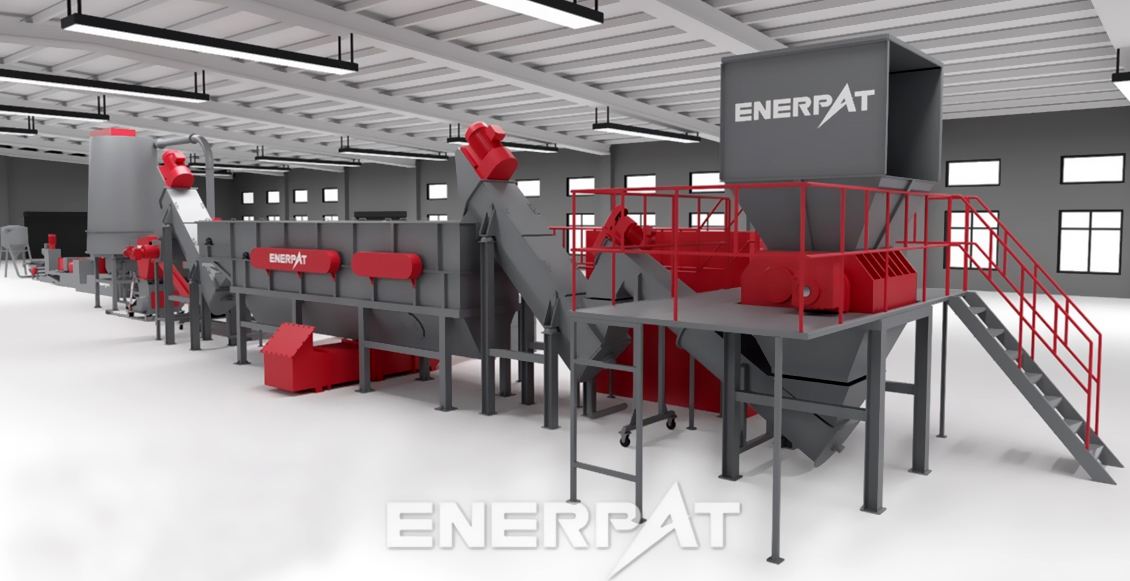 General Industrial Waste Recycling Solution
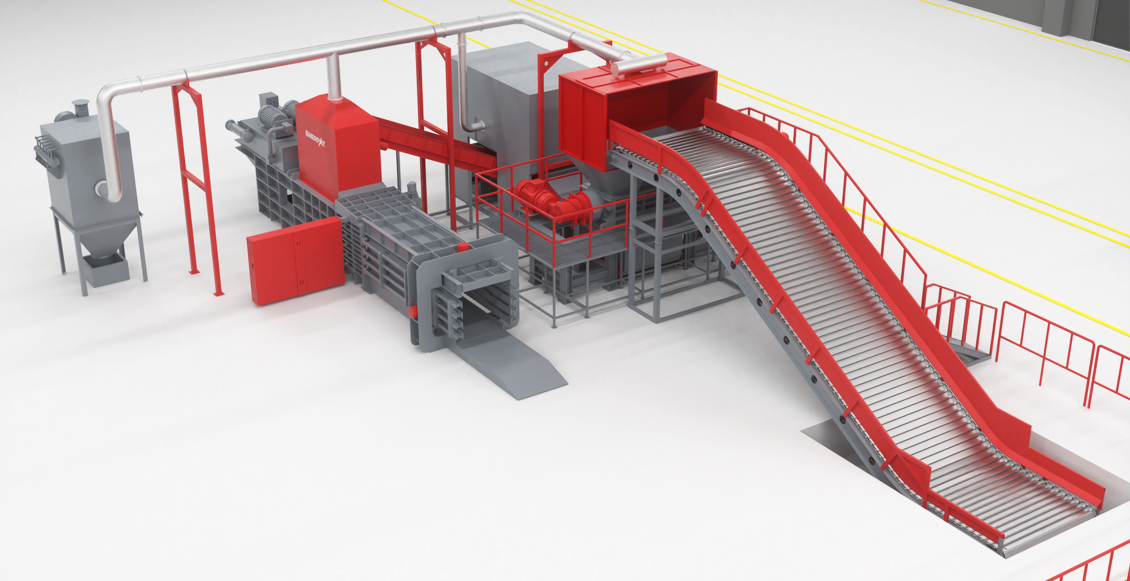 Bulky Waste Recycling System
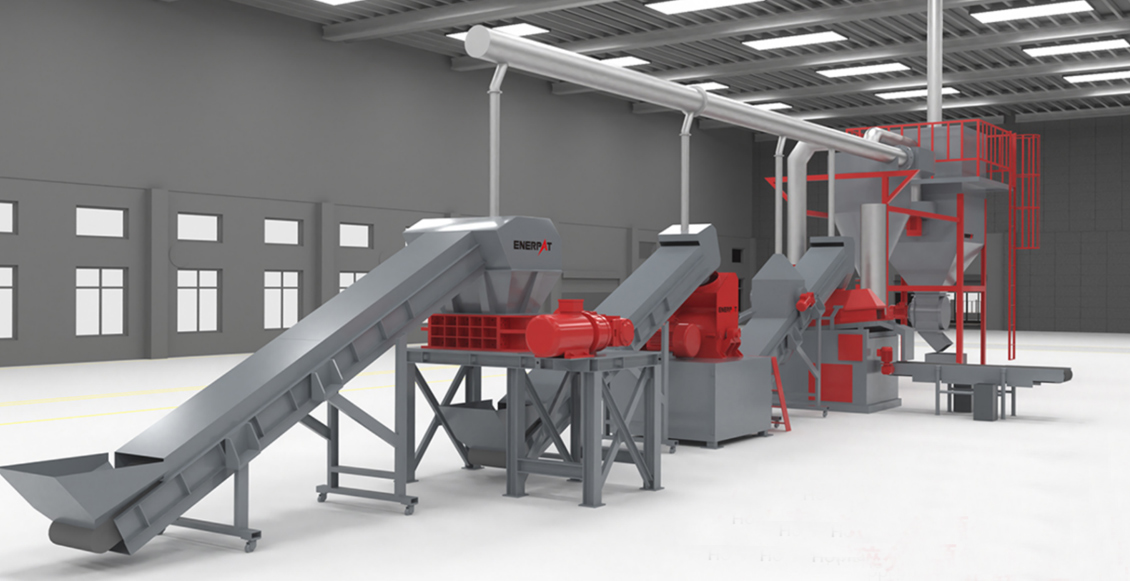 Home Appliances Shredding and Sorting Recycling Solution
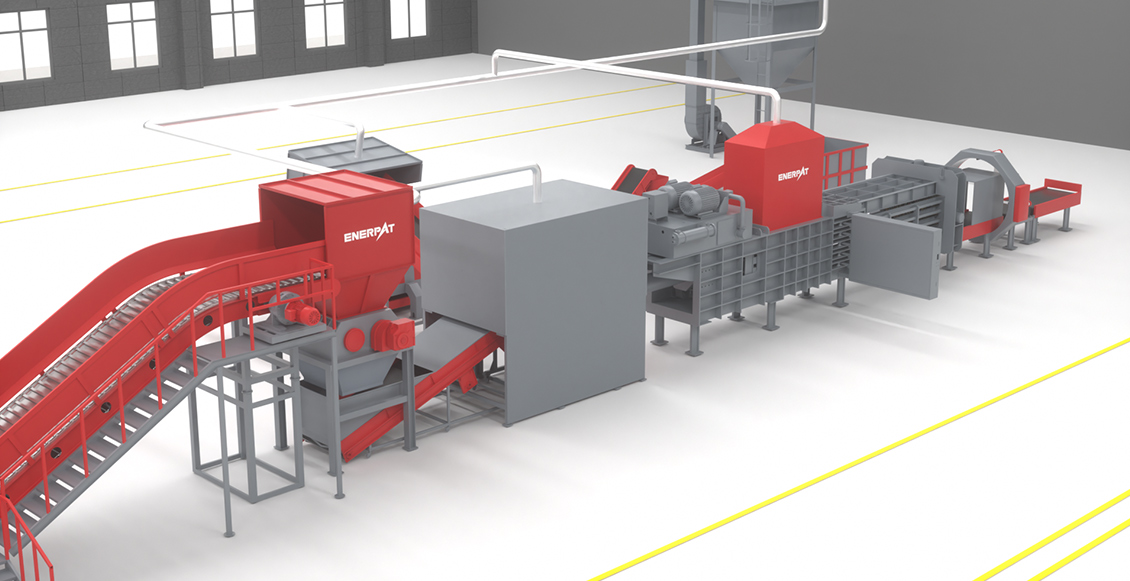 Plastic Film Washing and Pelletized Line
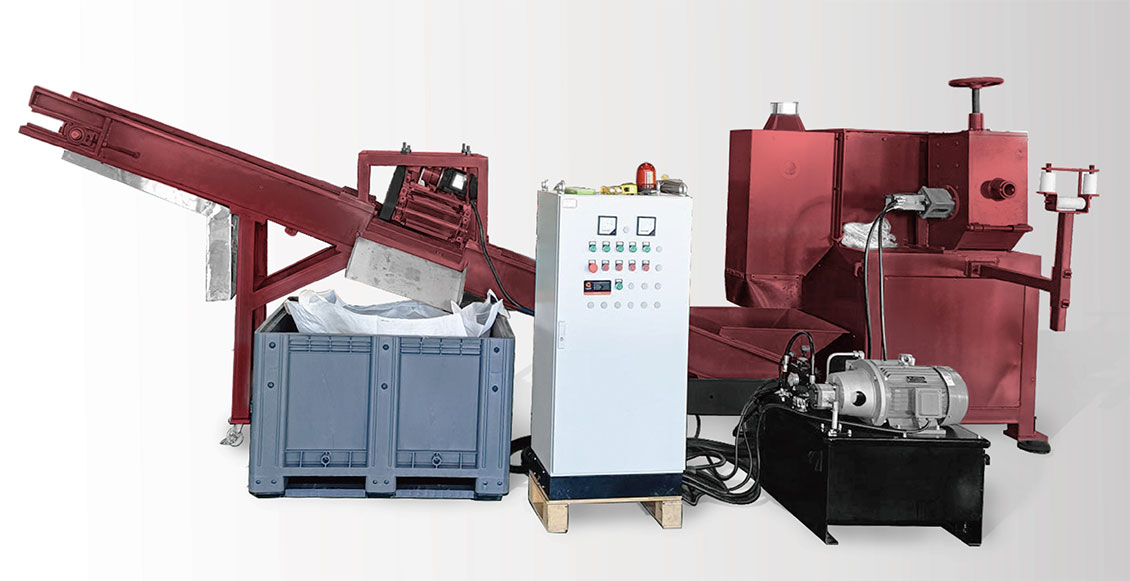 ACSR Recycling Solution
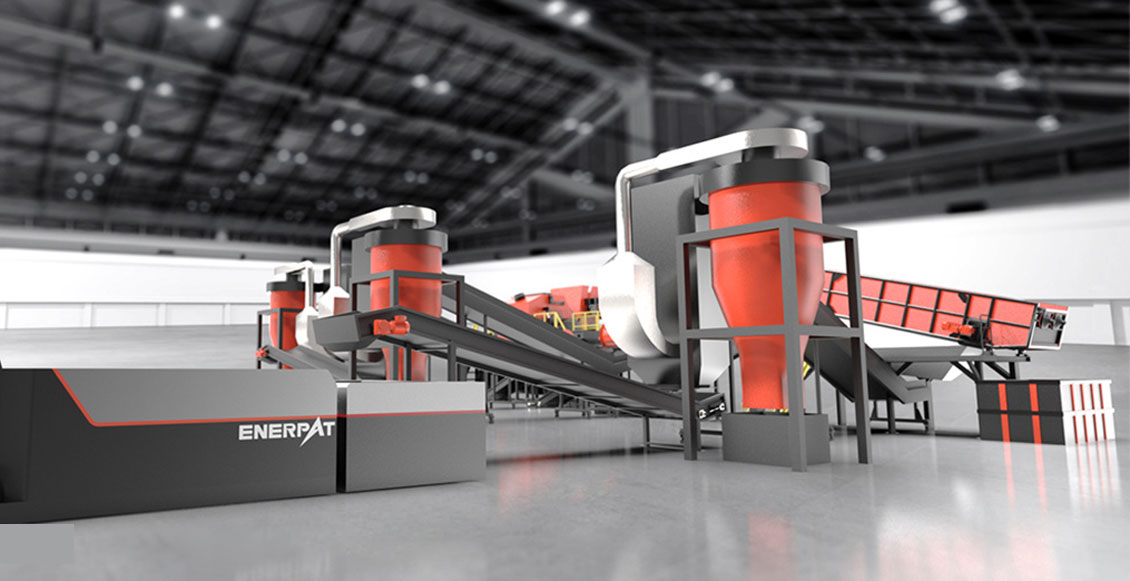 Cast Aluminum Shredding and Recycling Line
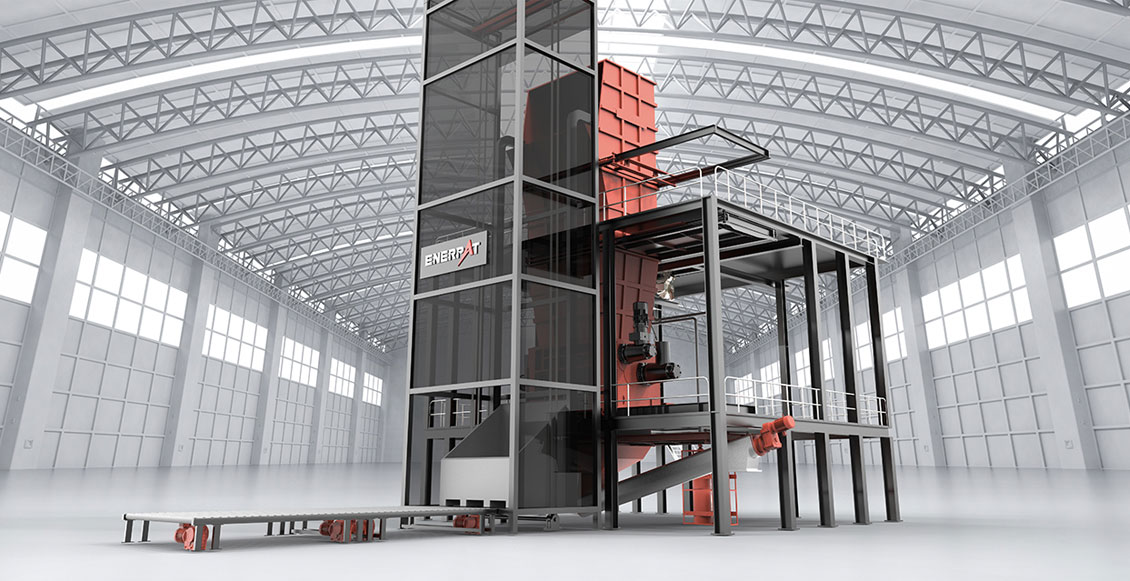 Lithium Ion Battery Recycling Plant
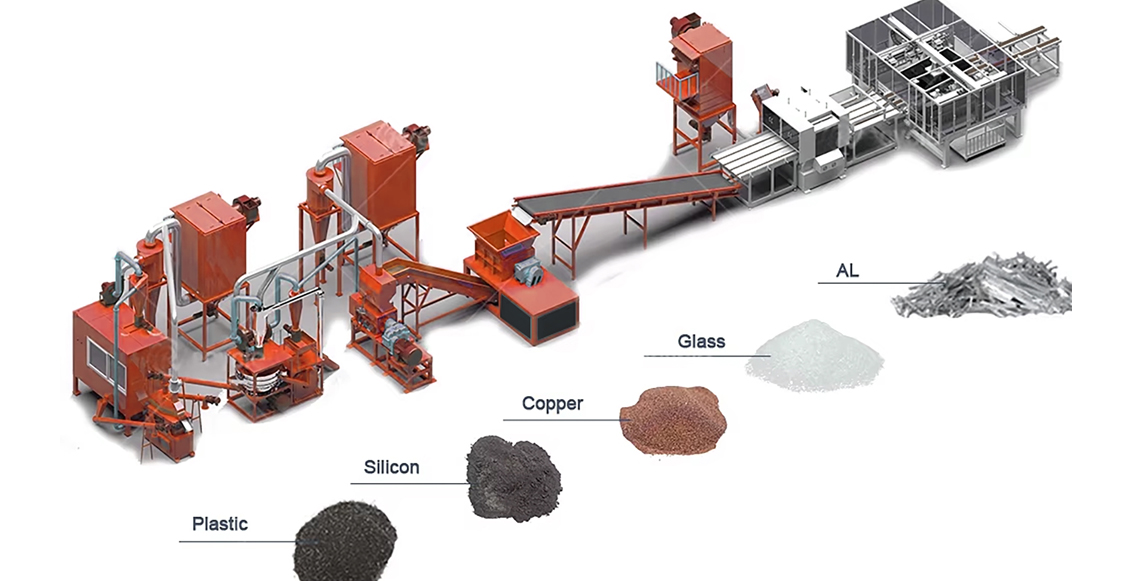 Solar Panel Recycling Equipment Line
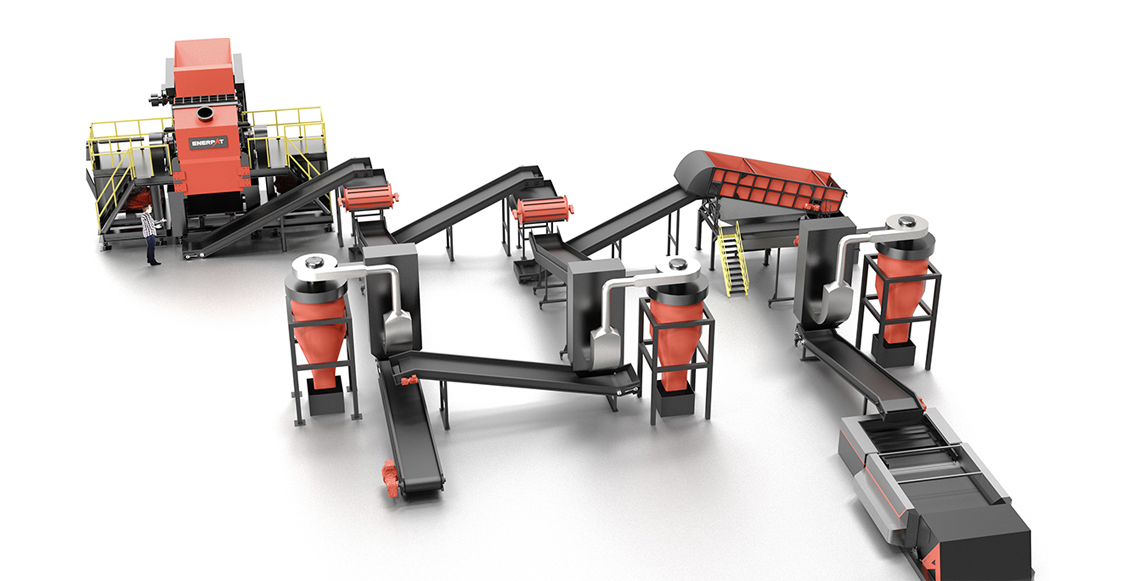 Aluminium Scrap Recycling Plant
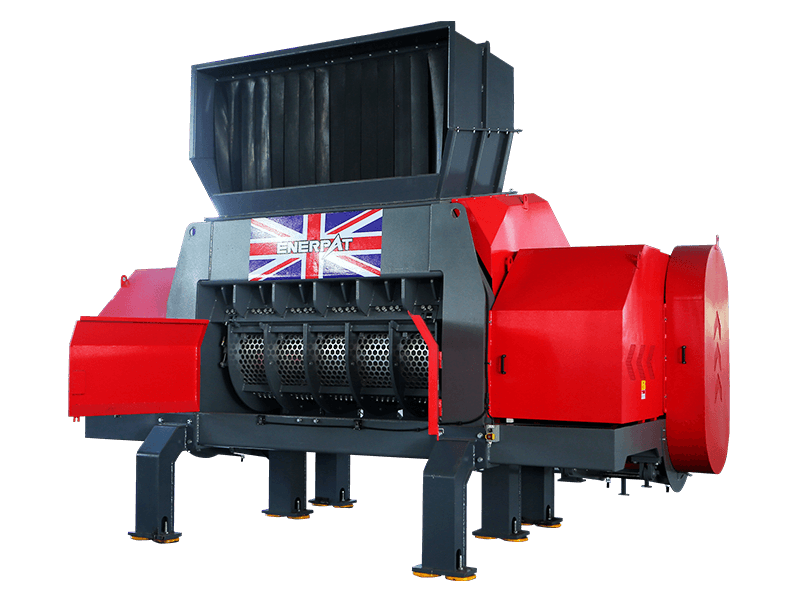 Single Shaft Shredder
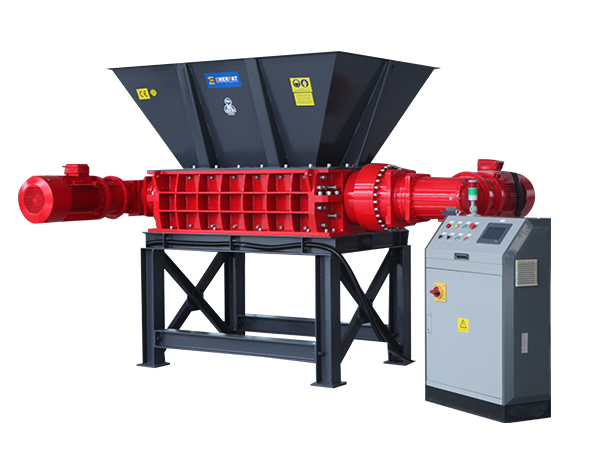 Two Shafts Shredder
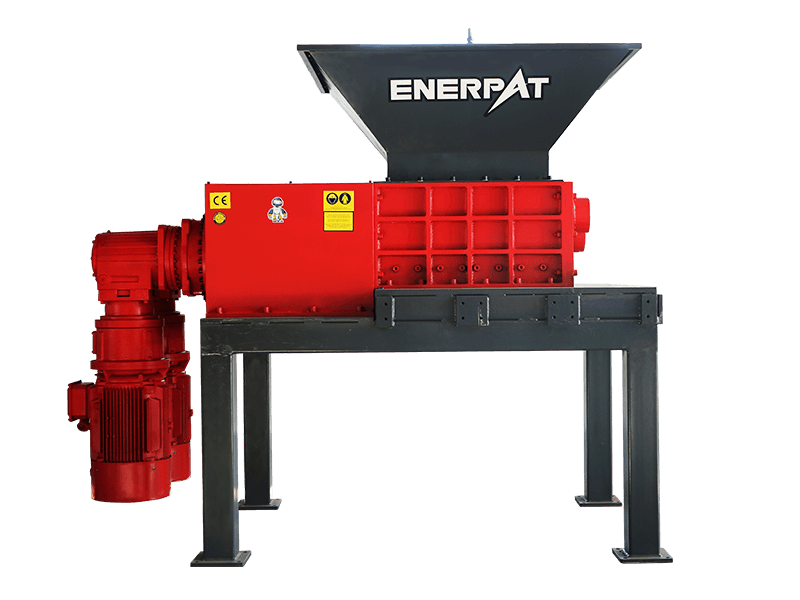 Four Shafts Shredder
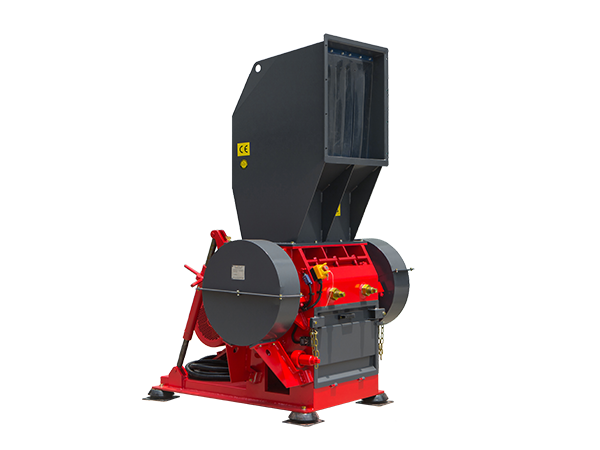 Granulator
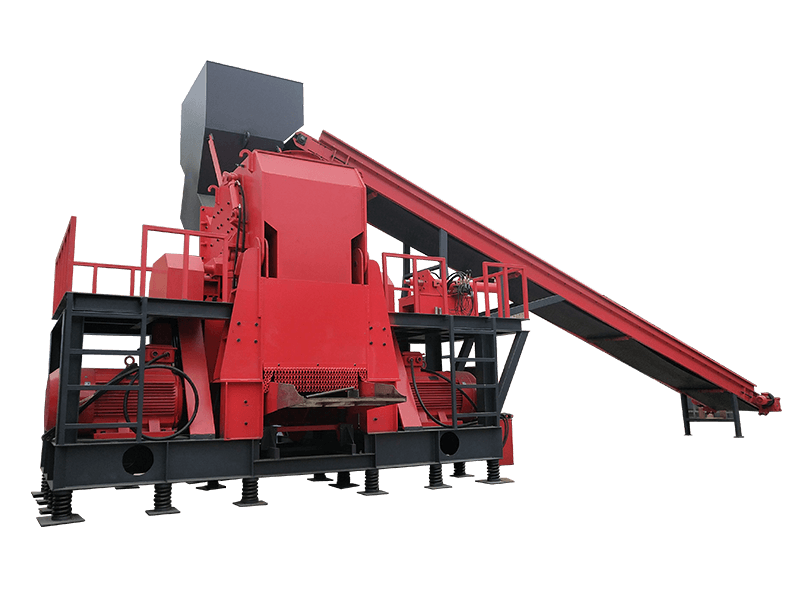 Hammer Mill
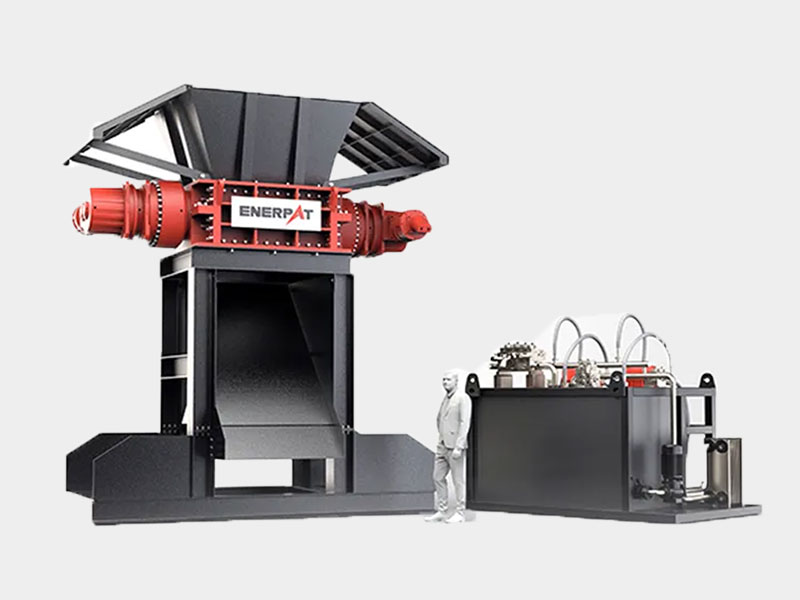 Hydraulic Shredder
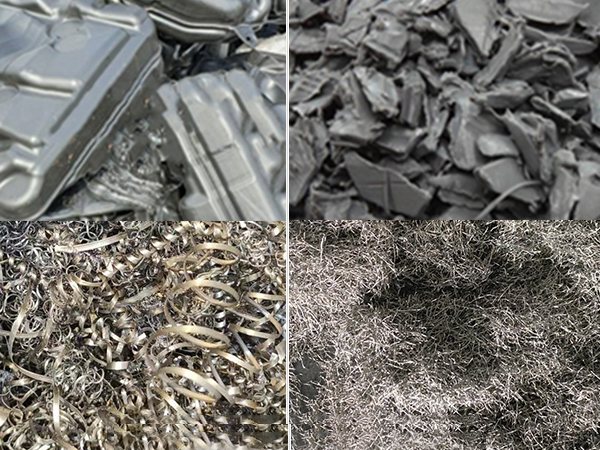






 Email:
  Phone:
 Add:
Add:
 Whatsapp