inquiry@enerpat.net

logo

search
inquiry@enerpat.net TEL:+86 17768031176

logo

NEWS
HOME > NEWS > Frequently Asked Questions

What Are the Key Global Trends in Automotive Recycling

Apr 03,2026
Page Views: 9
Author: enerpat

Introduction: Why Is Automotive Recycling More Important Than Ever?

The global automotive industry is at a historic turning point. By the end of 2025,China’s car ownership reached 366 million vehicles, with a total of 469 million motor vehicles nationwide. Globally, these numbers are even more staggering. With car ownership continuing to rise, one pressing question emerges:what happens when billions of vehicles reach the end of their life?


Automotive recycling goes far beyond waste disposal. It is critical for resource security, as each end-of-life vehicle (ELV) contains steel, aluminum, copper,andplastics—true “urban mines” waiting to be tapped. It also matters for environmental sustainability, reducing landfill pressure andlowering carbon emissions. And economically, the global car recycling market is booming.


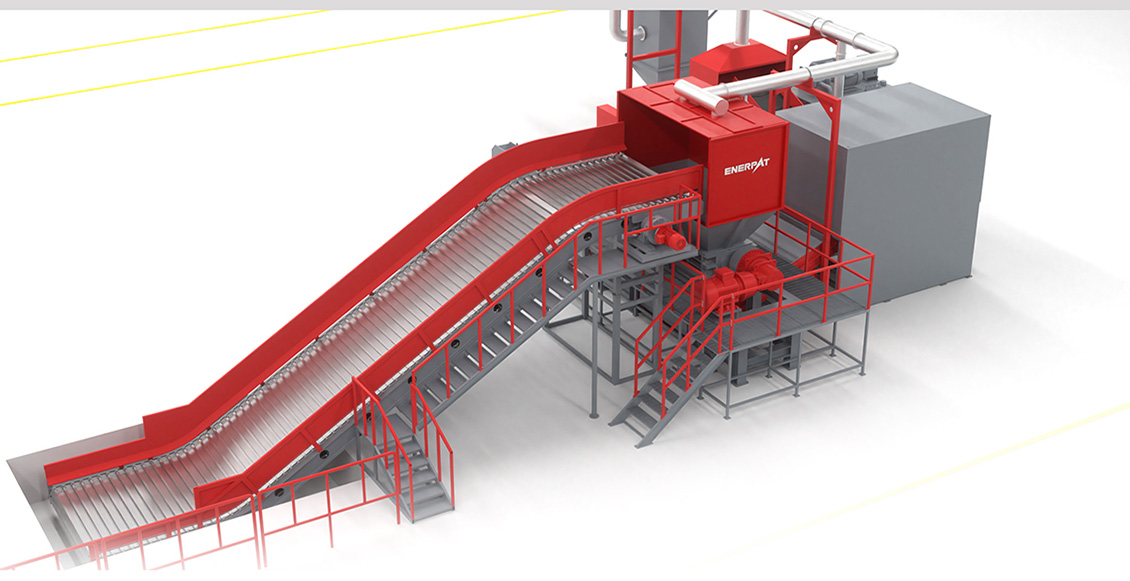
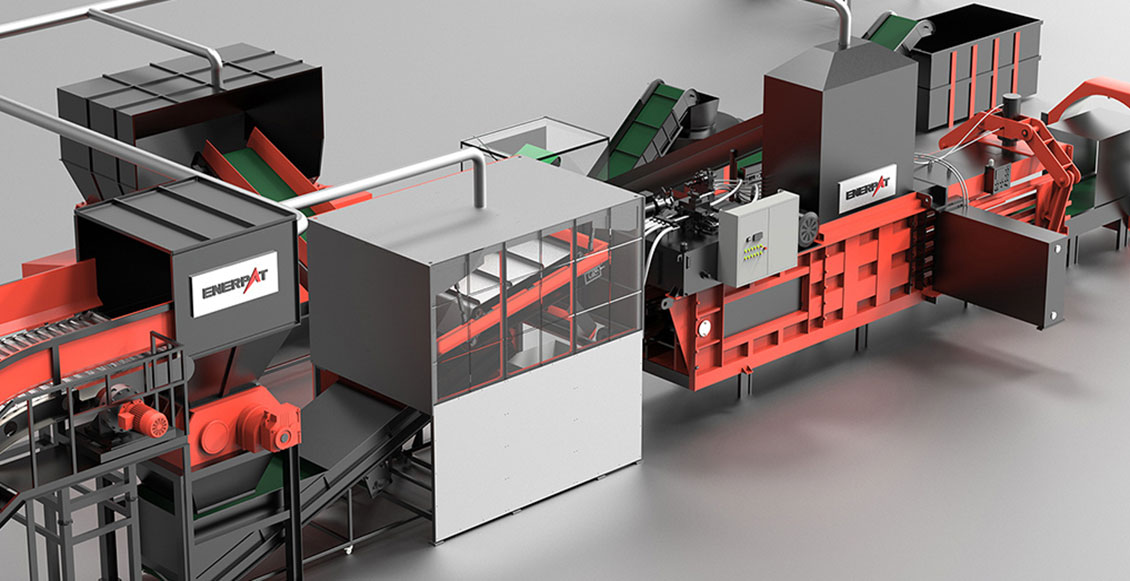
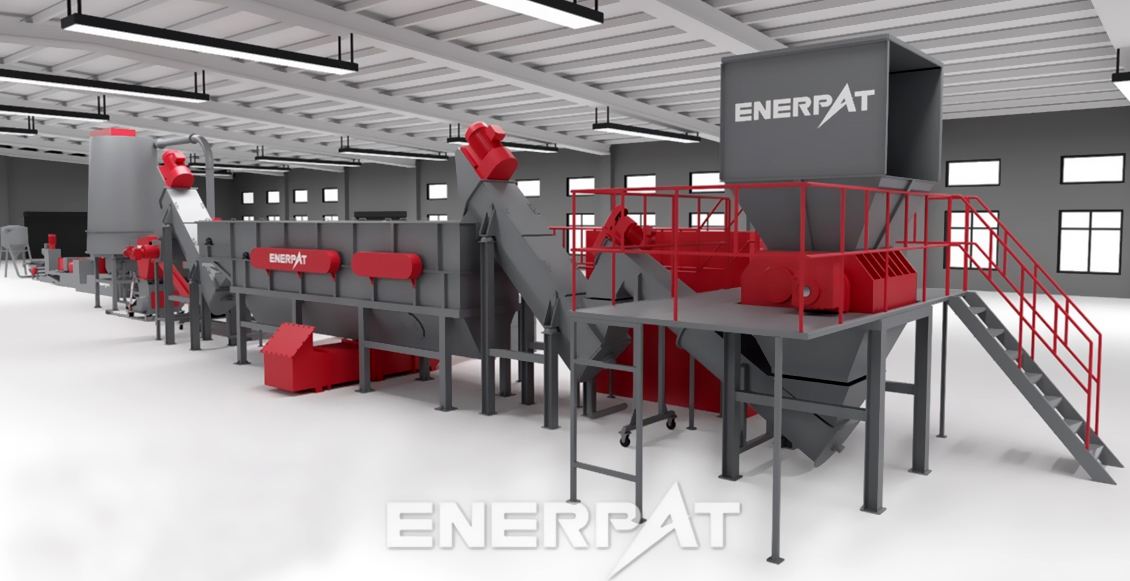
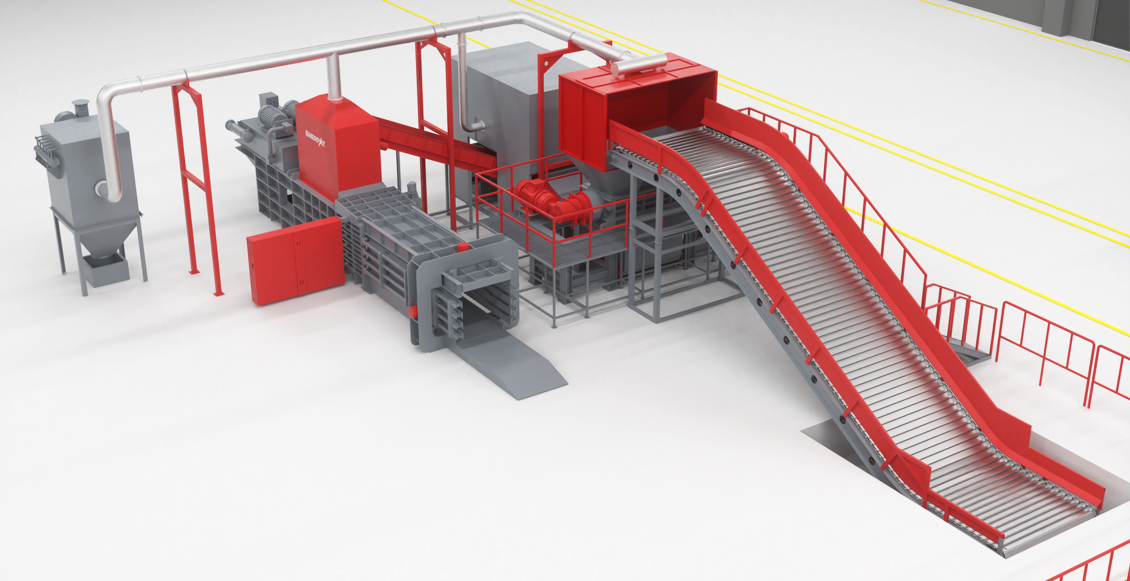
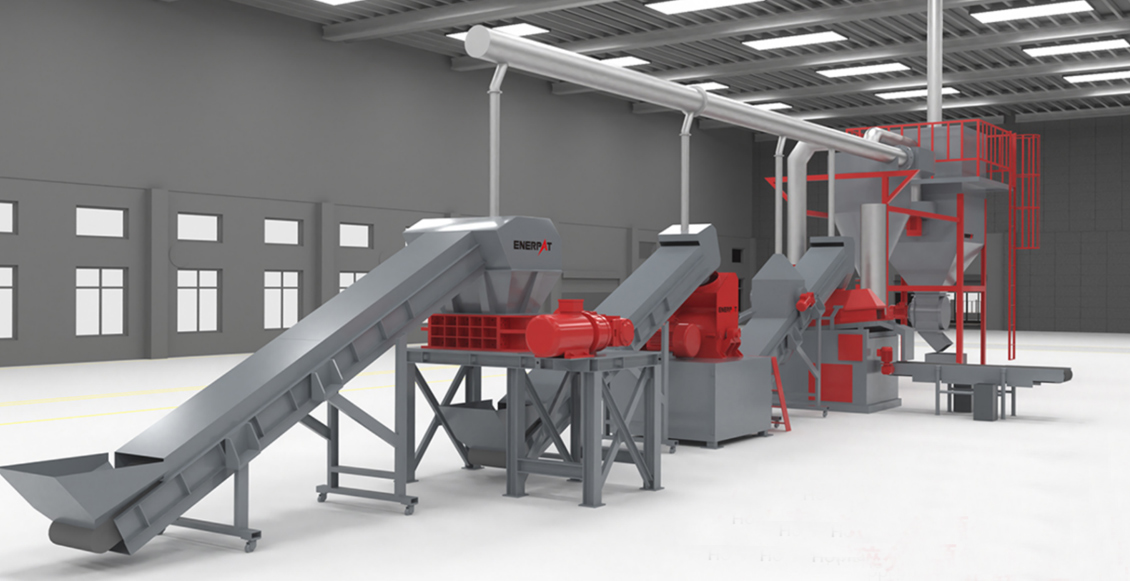
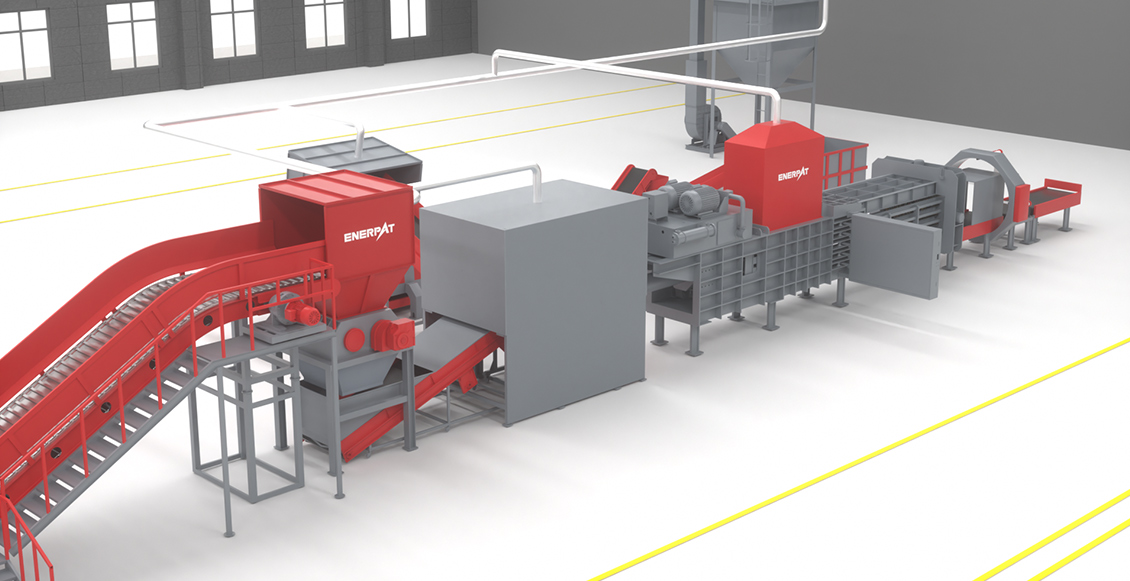
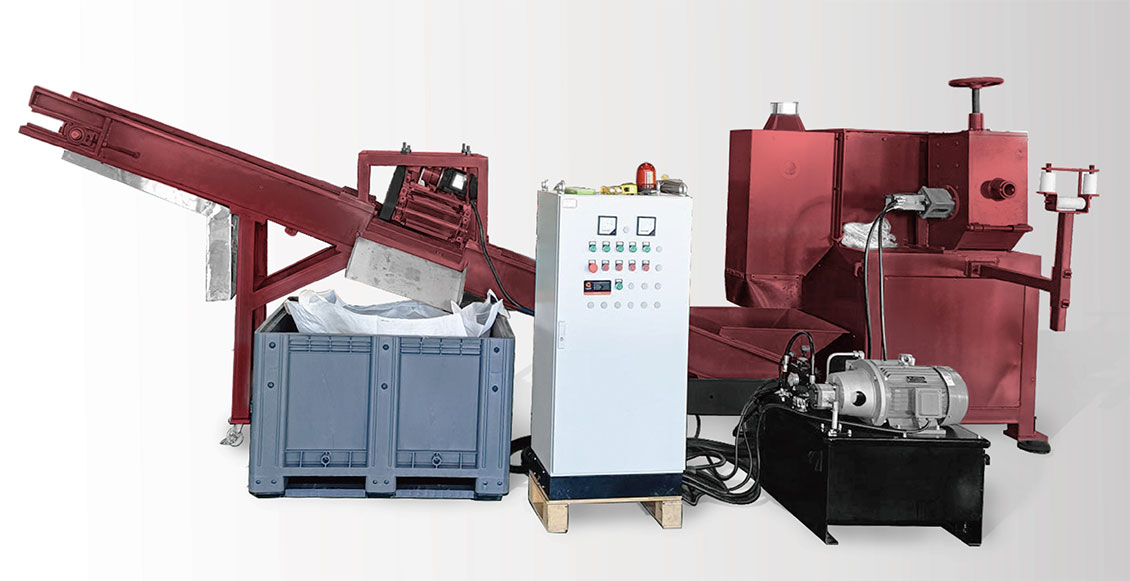
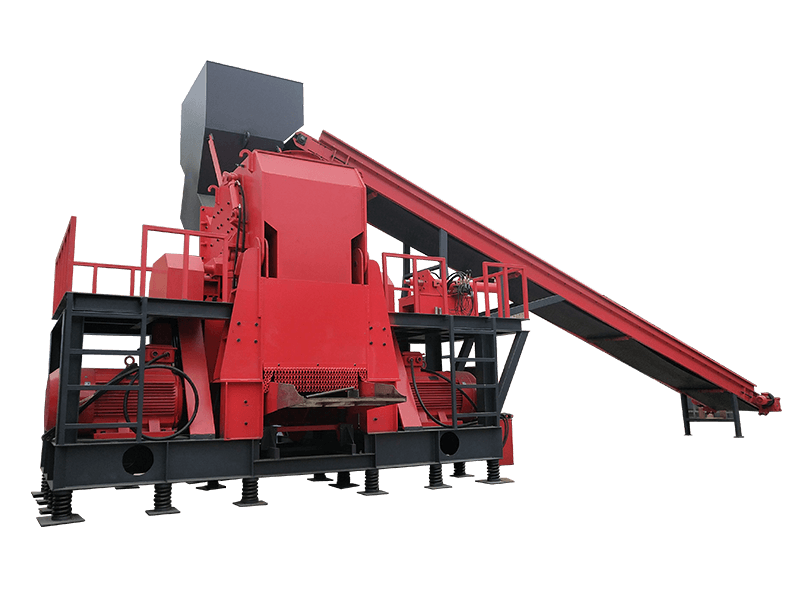
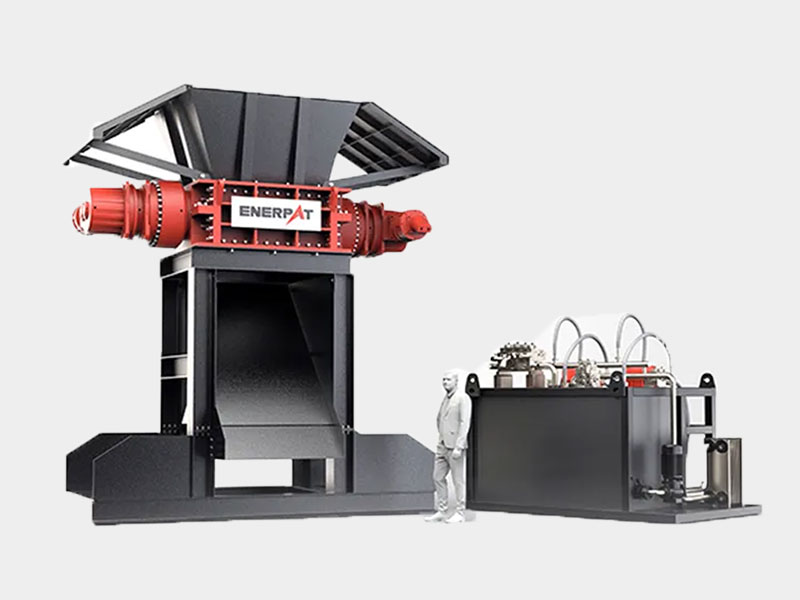
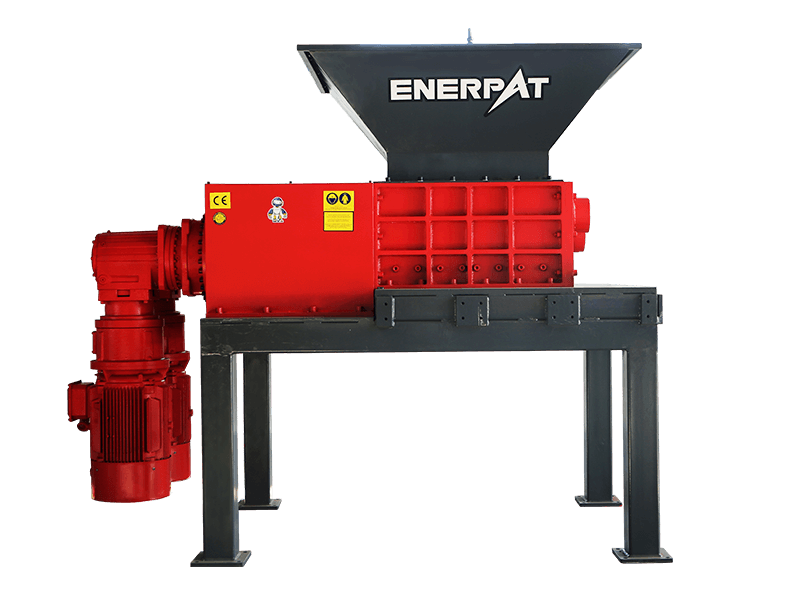
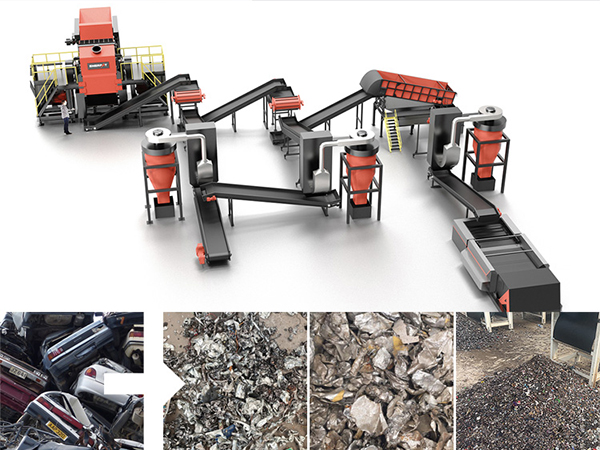
From compression and transport usinghydraulic car balersto shredding and sorting withcar shredders and car recycling and sorting lines, advanced equipment underpins the entire recycling ecosystem. According to Global Info Research, the global ELV recycling and dismantling market will grow from$37.53 billion in 2024 to$124.13 billion by 2031, with a CAGR of 18.8%. IMARC Group predicts a rise from$105.5 billion in 2025 to$329.9 billion by 2034. Understanding these trends is essential for anyone in the automotive recycling industry.


What Makes ELV Recycling Critical for the Automotive Industry?

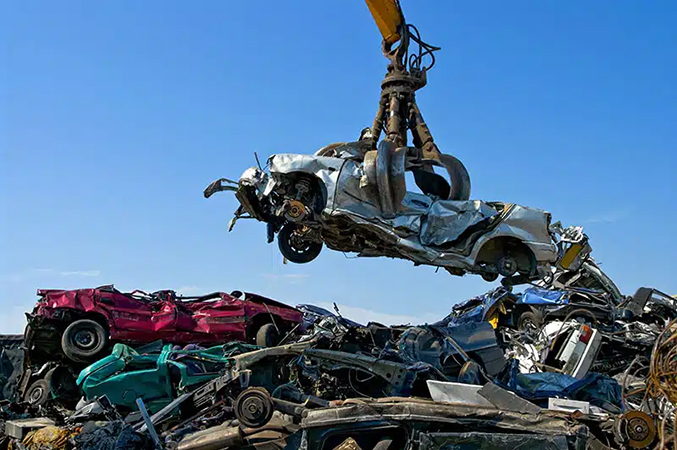
End-of-Life Vehicles (ELVs)are vehicles that have reached the end of their operational life. ELV recycling involves:

1. Removing hazardous materials—oil, coolant, fuel, and other fluids safely.

2. Dismantling reusable parts—engines, transmissions, and electronics for resale.

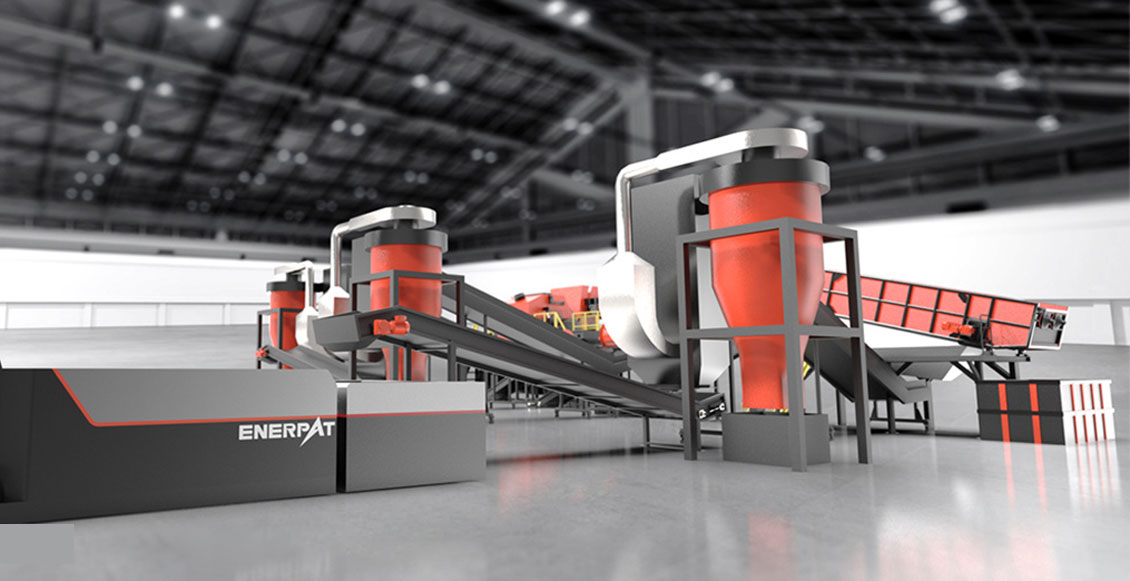
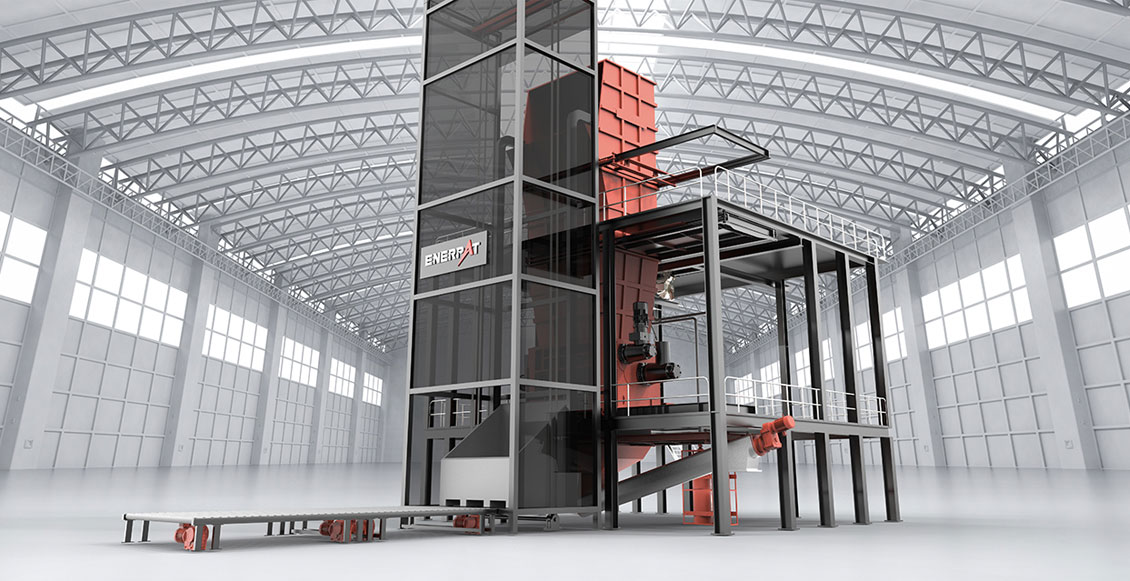
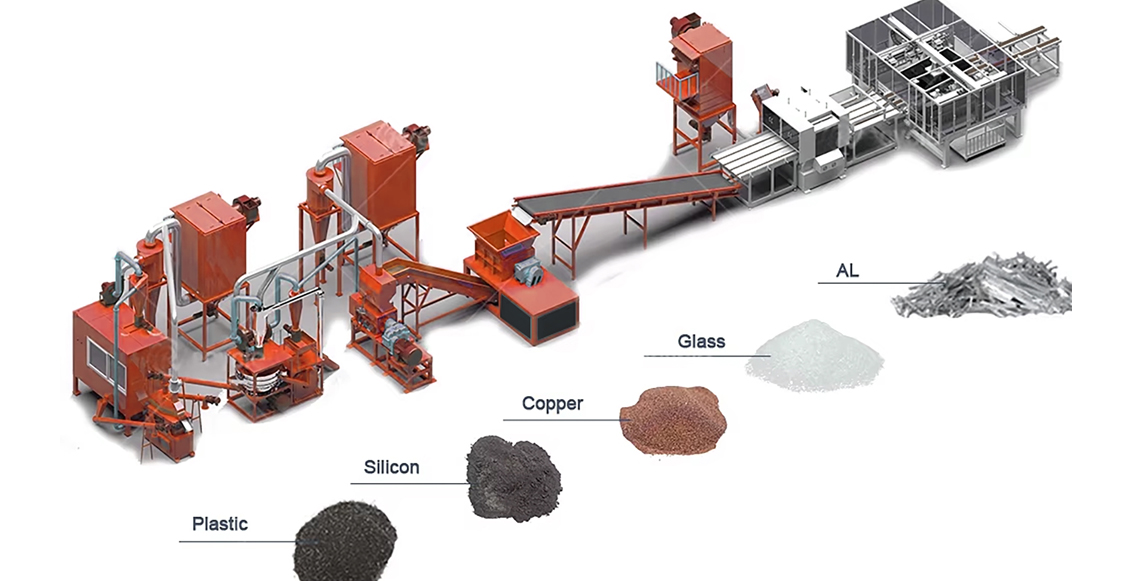
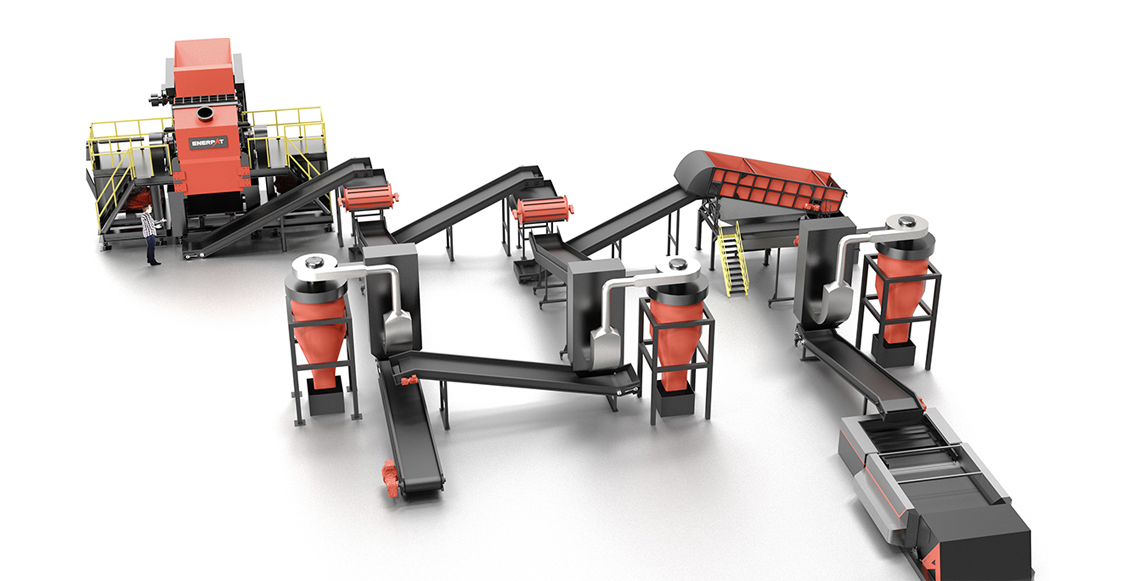
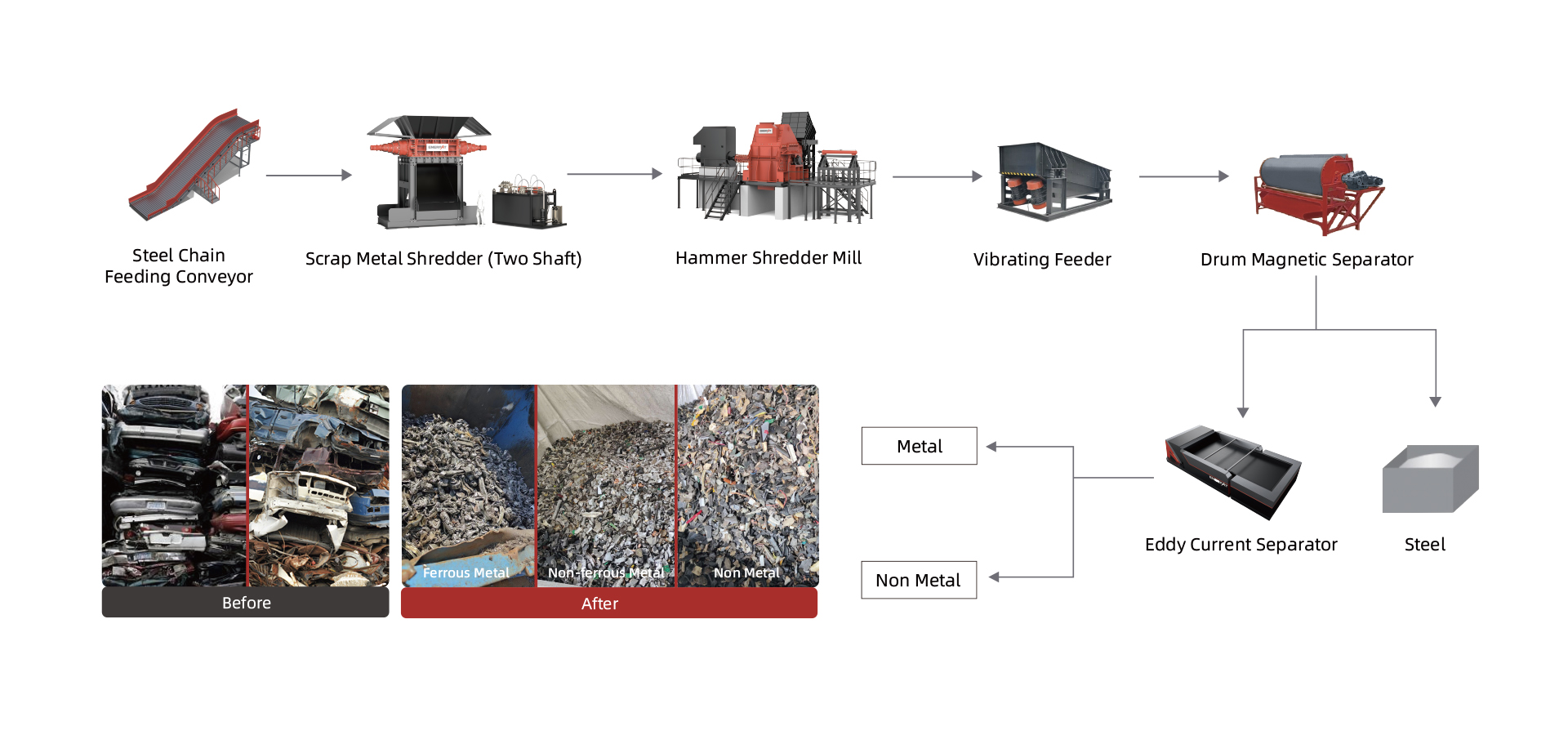
3. Shredding and sorting—using car shredders and car recycling and sorting lines to separate steel, aluminum, plastics, glass, and rubber.


A typical passenger car contains over 1,200 kg of recyclable metals. Reintroducing these materials into production drastically reduces reliance on virgin resources and carbon footprint. For example, recycled aluminum requires only 5% of the energy of primary aluminum production and emits 0.6 tons of CO₂ per ton, compared with 12 tons for primary aluminum.

How Big Is the ELV Recycling Market Worldwide?

The ELV market is expanding rapidly. DIResearch estimates the global ELV recycling market will reach$104.68 billion by 2025 and$269.59 billion by 2032, with a CAGR of 14.47%. China is leading in growth, with a projected CAGR of 22.3% and 7.87 million ELVs recycled in 2024—a 64% increase year-on-year.


Which Policies Are Driving ELV Recycling?

The EU’s ELV Directive (2000/53/EC) has long set global standards. The revised 2025 EU regulations require new vehicles to have 85–95% reuse and recycling rates and set mandatory targets for recycled plastics: 15% by 2030 and 25% by 2036. China is also pushing aggressive recycling targets, aiming to recover 90% of materials from ELVs by 2026.

SCRAP CARS


What Are the Challenges and Innovations in ASR Management?

Automotive Shredder Residue (ASR)is the toughest part of ELV recycling. After shredding and metal recovery, ASR remains as a mixed stream of plastics, rubber, foam, fabrics, and coatings, often containing trace heavy metals.


Traditional mechanical recycling struggles with ASR due to its heterogeneous composition. Advanced techniques like thermal decomposition (pyrolysis) and chemical recycling are gaining traction. Projects by BASF, Porsche, and BEST demonstrate successful conversion of ASR into synthetic gas, foam, and high-quality polymers for new vehicles.


New EU regulations are also pushing for higher recycled plastic targets, driving investment incar shredders, sorting lines, and chemical recycling technologies.


How Is Vehicle Dismantling Becoming Smarter?

Historically, vehicle dismantling has been labor-intensive, low-efficiency, and risky. Automation is changing that.

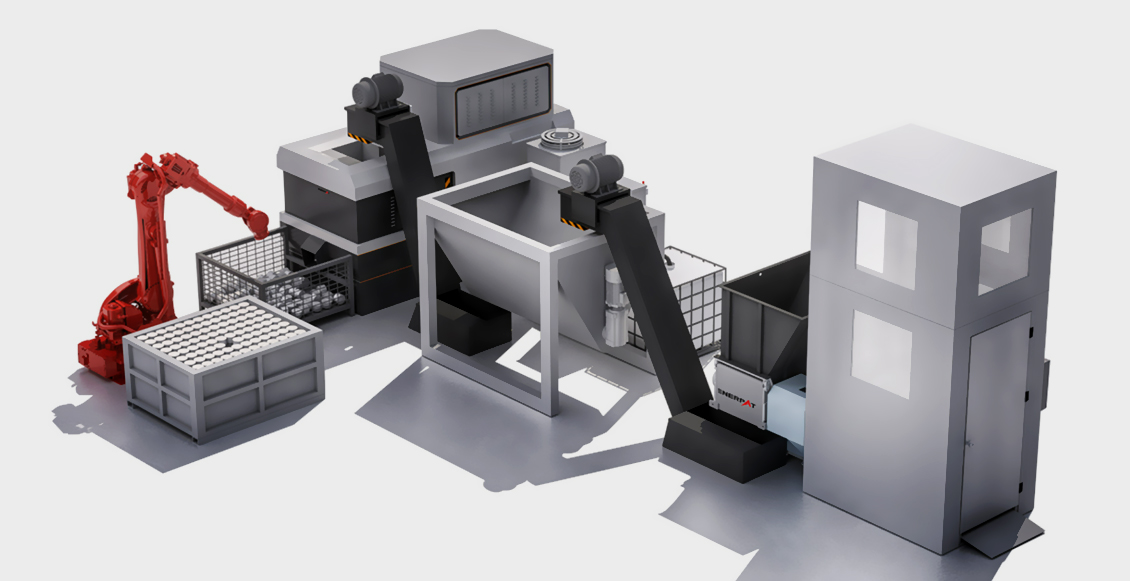
  • Europe's Comet Traitement uses the Megapicker system with 18 SCARA robots to sort 1,500 metal pieces per minute, achieving 96% accuracy.

  • Japan's BlueRebirth Council develops AI-guided precision dismantling for EVs, enabling a true “Car-to-Car” recycling loop.

  • Digitalization through AI, machine vision, and IoT allows robots to identify and extract complex parts safely.


Automation improves recovery rates and reduces labor dependency, especially in handling high-risk EV batteries. Eurecat’s robotic system for battery dismantling uses YOLO algorithms to safely remove screws and covers, enhancing efficiency and safety.

CAR RECYCLING LINE


How Does Circular Economy Apply to Cars?

The circular economy follows the “reduce—reuse—remanufacture—recycle” principle. For automakers, this means considering vehicles’ full lifecycle from design to recycling.

  • Stellantis & Soremo:Aluminum from old engines is reused in new engines.

  • Mercedes-Benz:“Urban Mining” projects recover high-quality materials from ELVs.

  • BASF & ZF:Recovered polyamide is depolymerized and reused in high-performance parts.

EV battery recycling is a key area. China expects 820,000 tons of retired batteries in 2025. High recovery rates (Li 96.5%, Ni/Co 99.5%) are achieved using precisioncar shreddersand sorting lines.

Circular practices reduce costs, save resources, and improve brand reputation—truly turning waste into economic and environmental value.


What Emerging Trends Will Shape Automotive Recycling?

1.Digitalization & Smart Recycling

  • Digital ELV passports track every car’s materials, dismantling steps, and recycling routes.

  • Online monitoring in car shredders and sorting lines enables predictive maintenance and efficiency optimization.

2.New Material Challenges

  • Lightweight composites and multi-layer plastics are harder to recycle.

  • Only 19% of EV plastics are currently recycled in Europe, requiring upgraded car shredders and sorting technologies.

3.Policy and Global Collaboration

  • Stricter EU, China, and U.S. regulations, including bans on exporting ELVs outside regulatory regions, push global recycling standards higher.

CAR RCYCLING LING


Conclusion: How Can You Keep Up With Automotive Recycling Trends?

Global automotive recycling is expanding at over 14% CAGR, surpassing$100 billion by 2025. Policies like the revised EU ELV directive and China’s circular economy targets are transforming recycling from optional to mandatory.


Automation, ASR chemical recycling, and intelligent sorting are converting previously untreatable waste into high-value resources. The circular economy is moving from theory to practice, establishing “Car-to-Car” closed loops.


At the heart of this transformation is advanced recycling equipment. From vehicle compression (hydraulic car balers) to shredding (car shredders) and multi-stage sorting (car recycling and sorting lines), ENERPAT provides full-process solutions for automotive recycling.Contact us todayto explore powerful car balers, car logger balers, and auto shredders for sale—let ENERPAT help your business thrive in the evolving automotive recycling landscape.


WhatsApp:+86 177 6803 1176

E-mail:inquiry@enerpat.net